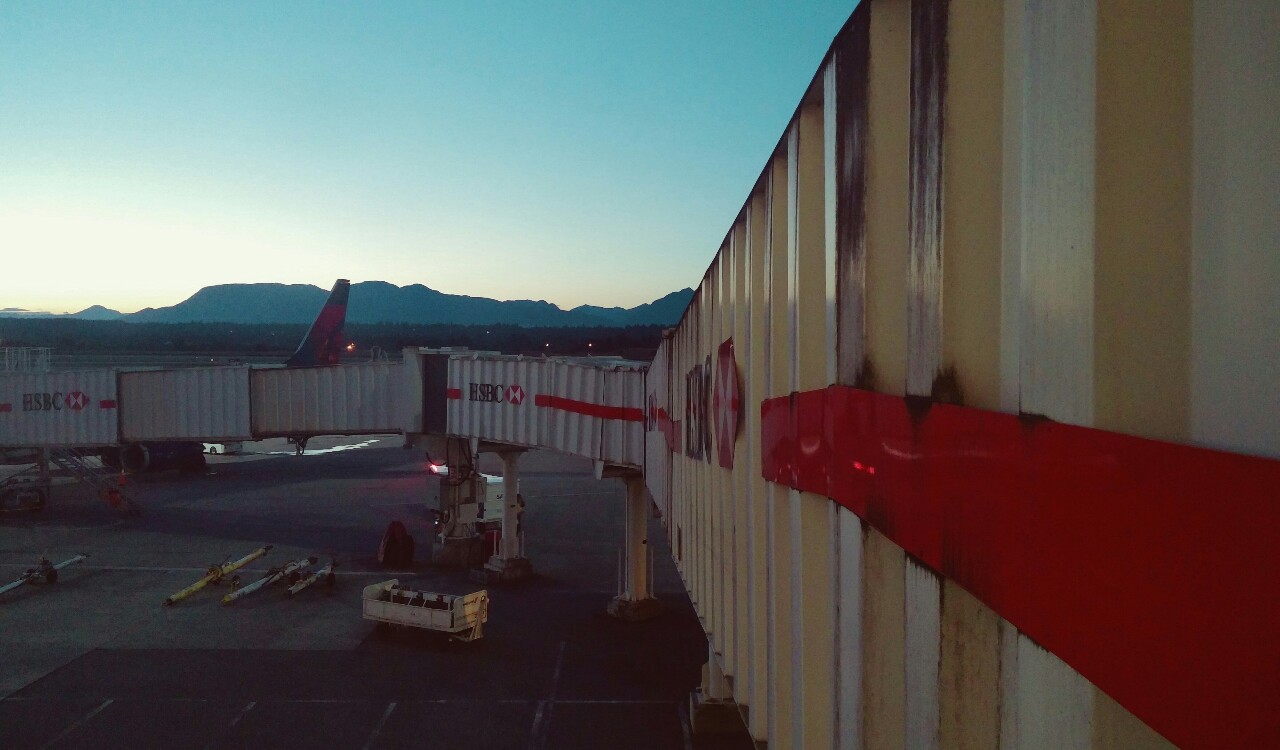
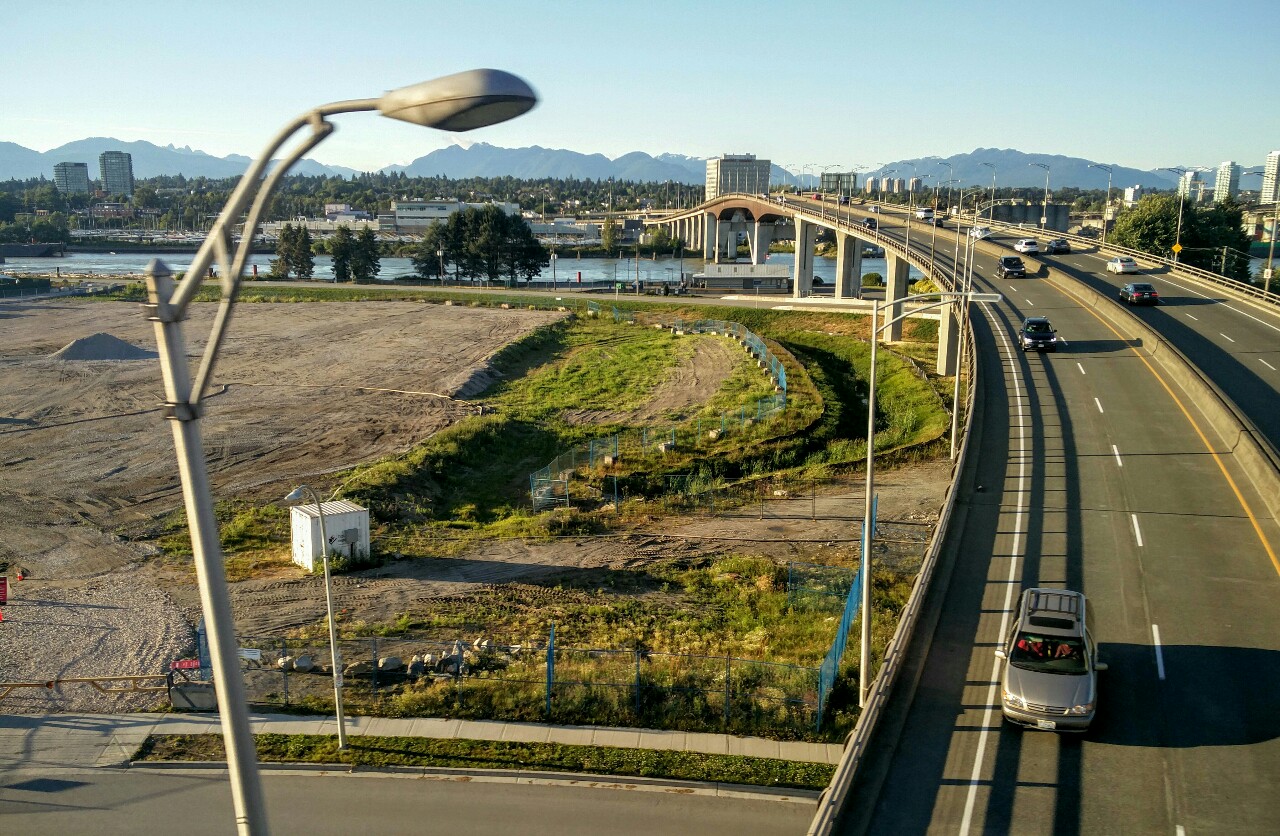
Today was another one of these really, really good days here in Vancouver. It was the day of great conversations. I slept in and then met with J, one of the Mozilla OpenScience fellows. We had egg Benedicts, went to a comic book store, had tea from a hipster cafe in a park with view on the mountains and then walked to a dragon boat race to watch very, very excited people racing against each other.
And we spoke about the difference between journalism, art and science. I had the thought that science might be closer to my heart than journalism. I like to understand the world in broad, long-term sense. And I’d like to communicate my findings and world views. Journalism might be too interested in current and negative issues to be attractive to me. But the whole practical implications of science (funded long-term projects) is very far away from how I would like to work. I love smaller projects and lots of success moments; and I can get that in journalism so much easier than in science. I wonder if art could combine my favorite way of working and my favorite kind of working. I’m not sure.
After spending many hours with J, I spent many more hours with G. He explained me his opinion about the purpose of Journalism. That was incredible interesting. His stance is that Journalism opens the eyes of people who live in their bubble and don’t want to see the bad stuff. Eg, we’re all living in our elite 20% bubble; not seeing the problems of the 80% and shaking our head in misbelief when thinking about how one dare to be a fan of Trump.
Another point that he made me think about: Journalism at least tries - contrary to activists - to be neutral and to understand the opinions of people who might be not the same opinion as the Journalist is. Yes, Journalism is often accused of “fake neutrality” – but if Journalists would not have this IDEAL of portraying the world as it is, Journalists would get deeper and deeper into their bubble, too. Journalists would become activists. Who can’t be trusted, exactly because they are too deep into their belief of how the world is supposed to be. Activists quickly see their cause as the most important one of all, and quickly become dependent from donors etc. It’s hard to admit you’re wrong, then. Journalists stand above that. Even if they tend to one side: They need to report on the mistakes of this side, to be trustworthy. People demand from them to report on everything that happens, and not to be picky (as activists are allowed to).
That is so, so interesting. I’ve never thought about it like that. That conversation really changed my opinion about Journalism to the better. It’s ironic that this happens two days after giving a talk where I blame Journalism for a lot of stuff. Then again: this conversation with G probably wouldn’t have happened without the talk I gave.
Input? 9
Output? 4
Learnings?
Journalism has a legit purpose. It is actually important.
It’s not about THAT you understand something, but how DEEPLY you understand it. How much it will influence your decisions. I think impressive data visualisations like fallen.io make you understand something banal even more, even deeper. That’s their power.
As a consequence, data visualisations don’t need to necessarily show something new to be important and influential. It can just show it differently.
“Non-lineriity” be not a good thing for information designs (in print). You know, the idea that you can jump around with your eyes; that you have many different boxes on a page. Maybe we should build even stronger reading paths for readers, even in print design.
It’s possible to have git add -A, git commit, git pull and git push in just one line! YES YES YES.
Questions?
Can you try to understand your self through yourself?
If I ever would want to write a PhD, what would be my research question?