I did it! I made it to Italy! I’m in Florence!
Fun fact: Traveling for 43 hours; having your plane first returned twice and then canceled and therefore being in a plane for 11.5 hours total without getting anywhere, to then be finally in planes that brings you somewhere for another 11.5 hours total, all that excluding waiting time in airports - it’s actually not that terrible. Really. It’s totally ok.
I got to see Philadelphia and built a positive opinion about it.
I got to see an airport during the night, when nobody is there besides 300 other passengers. (It was magical.) (I almost mean that.)
My extreme tiredness after the first night meant that I’ve never slept more or deeper in an airplane before than during the second night. Meaning, I almost have no jet lag at all today.
I got to listen to a lot of Planet Money episodes and nice music.
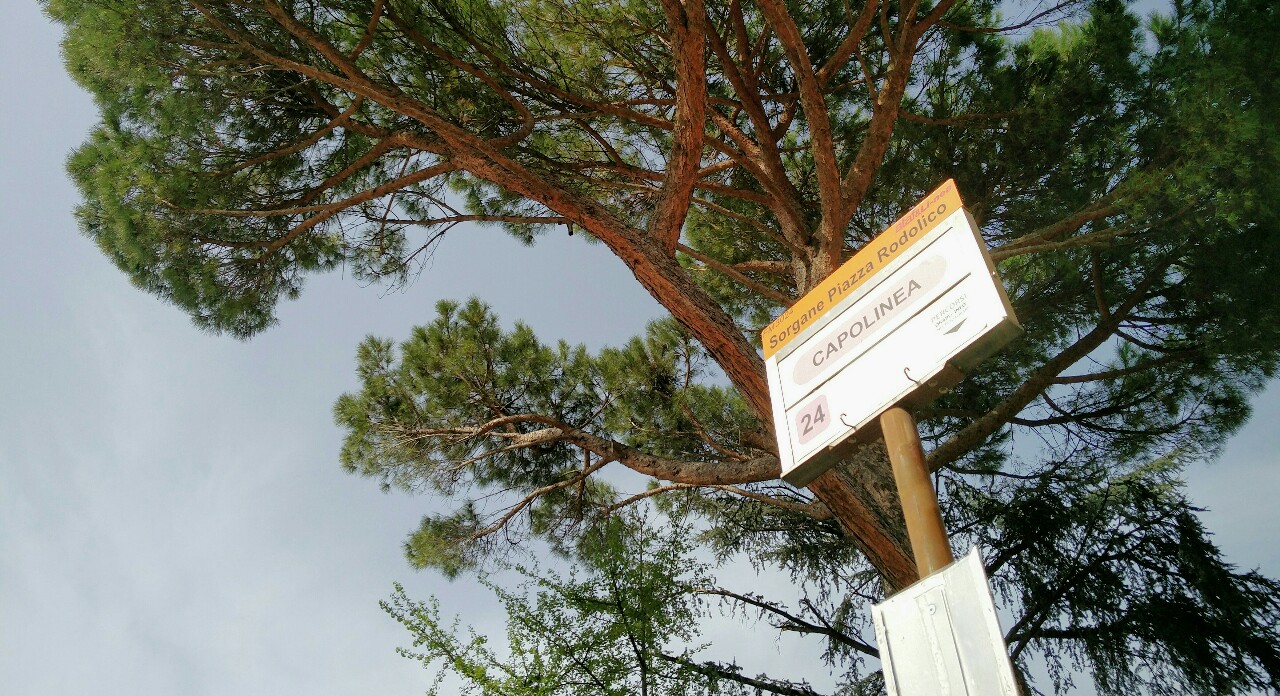
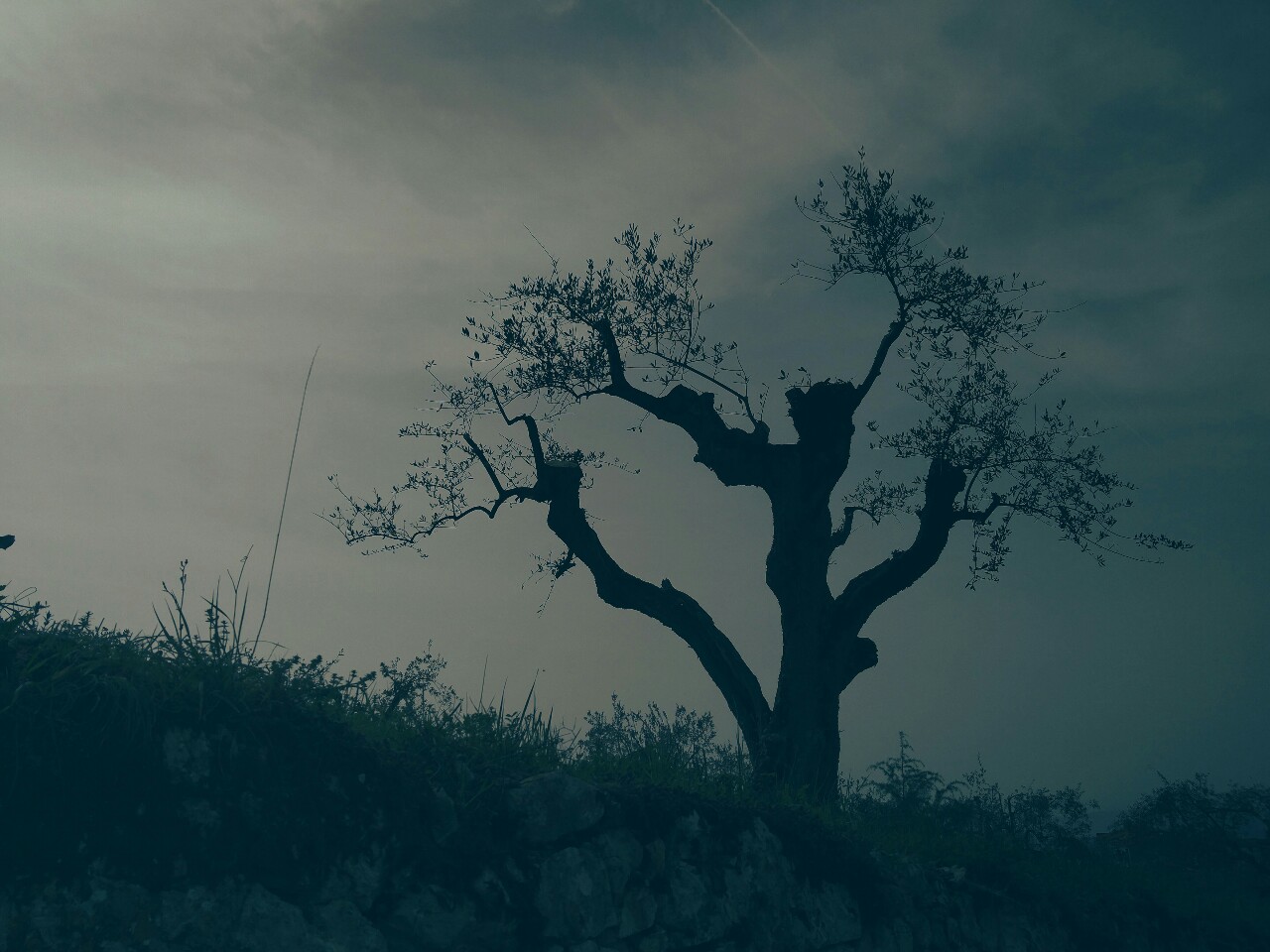
And today was a nice day! Turns out, Florence is not famous for pizza, which is a bummer. But it’s a properly beautiful city….and my hostel is far, far away from it. Meaning, I’m in the countryside, in a 700 years old castle on a hill, with a garden with lots of olive trees and a great view over Florence. It took me an hour and two busses to get here, but it’s exactly what I want. Nature, folks. That’s the real deal.
Everything is good. I have good food, a beautiful and quiet surrounding, it’s warm and the sun was shining today. And I read a good book:
Input? 6
Output? 1
Learnings?
The Curious Journalist’s Guide to Data by Jonathan Stray is actually really, really good! So far, at least. One example idea: Data can demolish or reinforce stereotypes, so we need to think about how our audience will end up believing about the world after reading out data journalism piece.
“Do not guess; try to count. And if you cannot count, admit that you are guessing.” G. Kitson Clark (I’d say: Don’t always count. Evidence doesn’t always come with numbers. But yeah, trying to find evidence for every single theory and model and belief you’ve built is a good start.)
The Italian train system is a) so much more comfortable than expected and b) so much more in time than expected.
Florence has free WiFi in the city centre. Take that, almost every single city in Germany.
How do you build domes without breaking them in the process? Most often, a wooden scaffolding was used for all these church domes in Italy and France and anywhere else. But eg. for the Pantheon in Rome, they believed in the money-loving side of humans: They filled the church full with soil, to build the dome on top. But it was not just soil - they put silver coins in it! After the dome was done, the public was released to dig for the money. And, btw, get rid of all the soil in the process. Nudging at its best.
Questions?
“Data is map and not the territory,” says Jonathan Stray. So I wonder: Where is the border between map and territory? Territory is everything as it is (if you believe in reality). Data is…made up. How about language? Is it a map as well? Certainly, because it puts reality in categories and helps us to navigate the world. How about…art? Ok, I guess so. How about…quantum physics? Maybe there’s not a binary distinction between MAP and TERRITORY, but maybe there are a) on a scale or b) not exclusive or c) there are other things besides maps and territories. Like, neither-maps-nor-territories-things.